
Dandanzan
197 Chinese-language films and series, 1978 to 2026, chosen for the whole household.
 2010 · Film
 2010 · Film
 1993 · Film
 1979 · Film
 1982 · Film
 2017 · Film
 1992 · Film
 2016 · Film
 2012 · Film
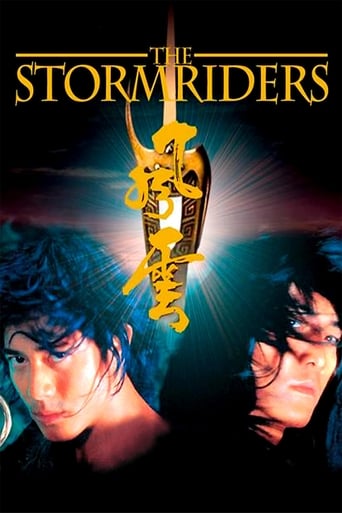 1998 · Film
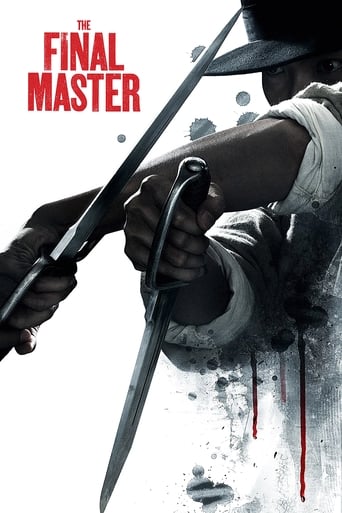 2015 · Film
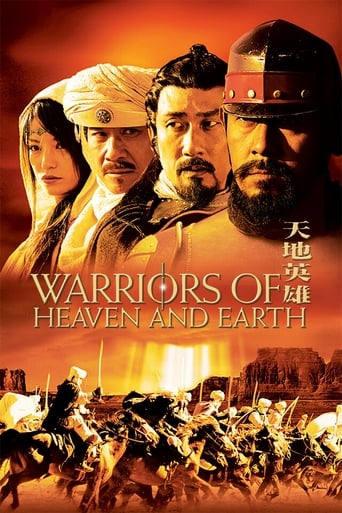 2003 · Film
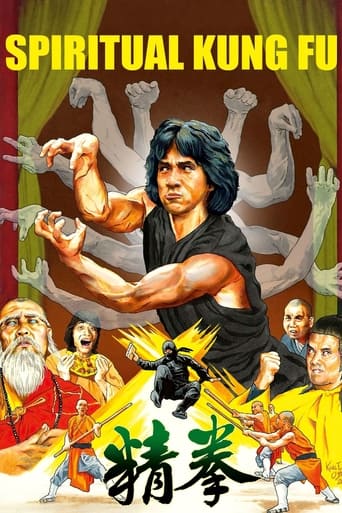 1978 · Film
 1983 · Film
 1990 · Film
 1982 · Film
 1986 · Film
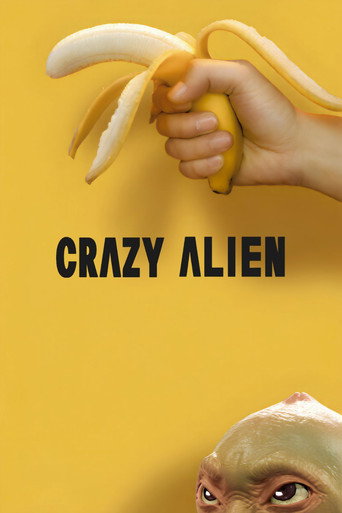 2019 · Film
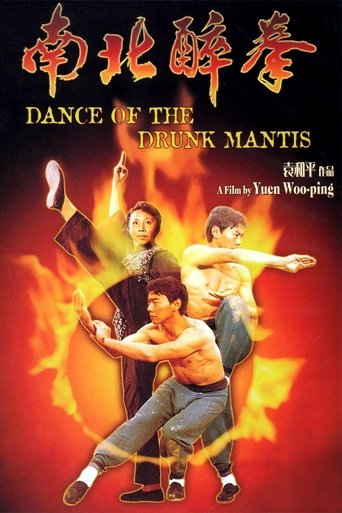 1979 · Film
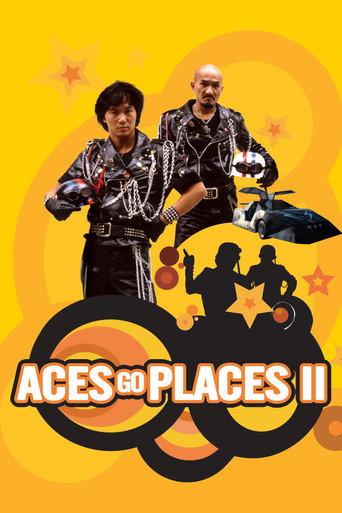 1983 · Film
 1982 · Film
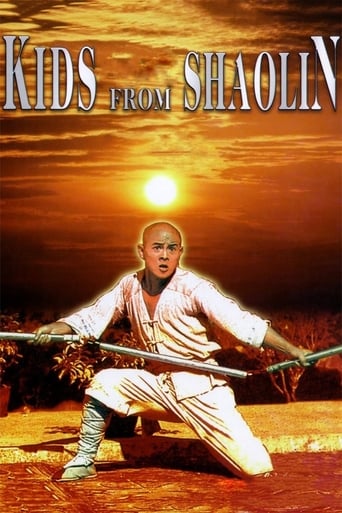 1984 · Film
 2001 · Film
 2020 · Film
 2023 · 39 episodes
 2019 · 56 episodes
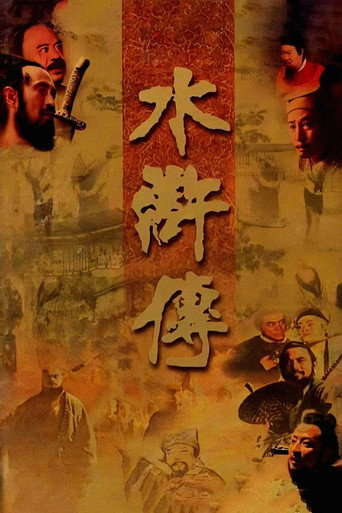 1998 · 43 episodes
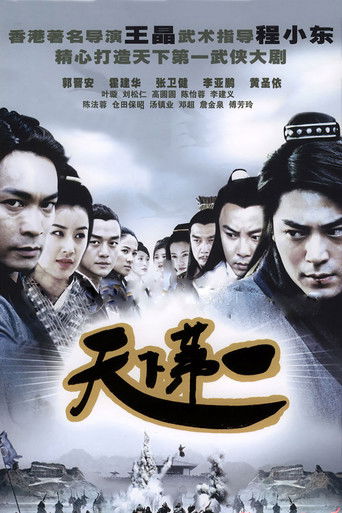 2005 · 35 episodes
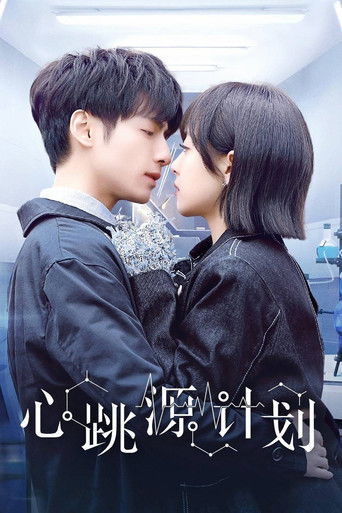 2021 · 42 episodes
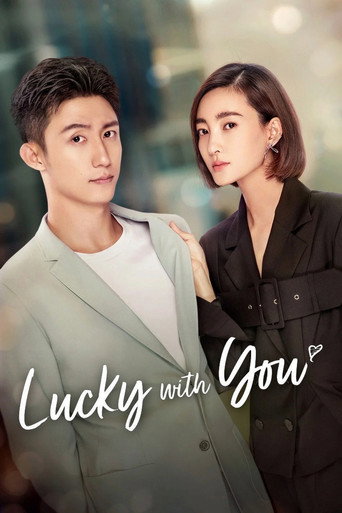 2021 · 40 episodes
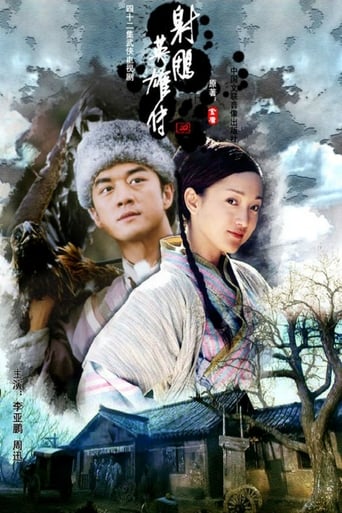 2003 · 42 episodes
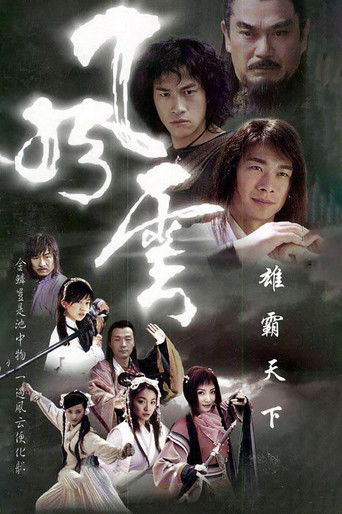 2002 · 86 episodes
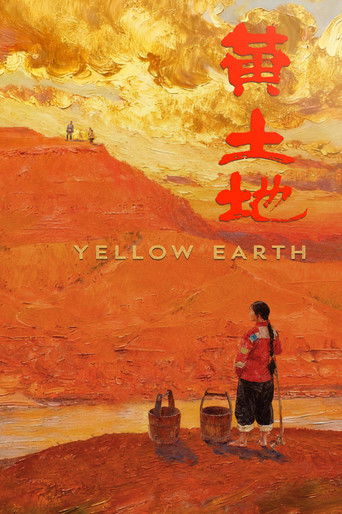 1984 · Film
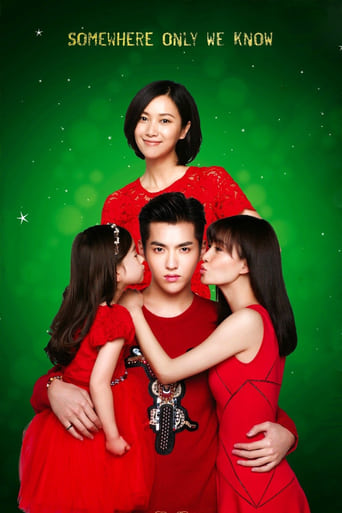 2015 · Film
 2021 · Film
 1999 · Film
 2018 · Film
 2016 · Film
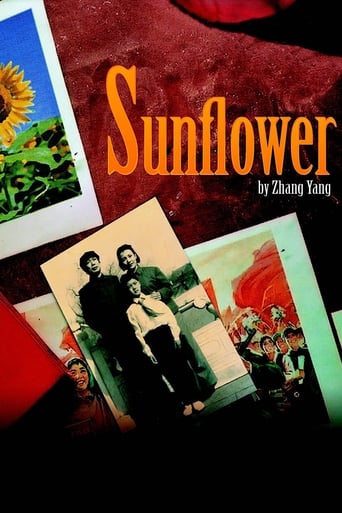 2005 · Film
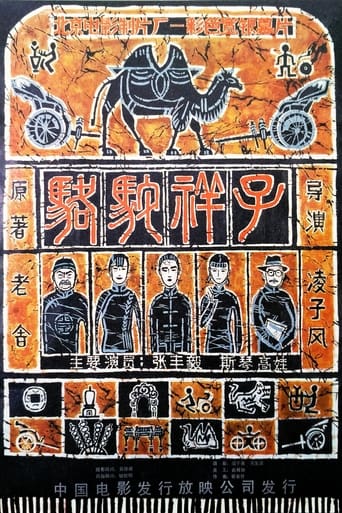 1982 · Film
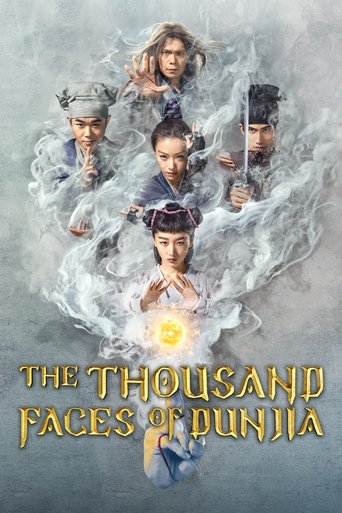 2017 · Film
 2002 · Film
 1982 · Film
 1994 · Film
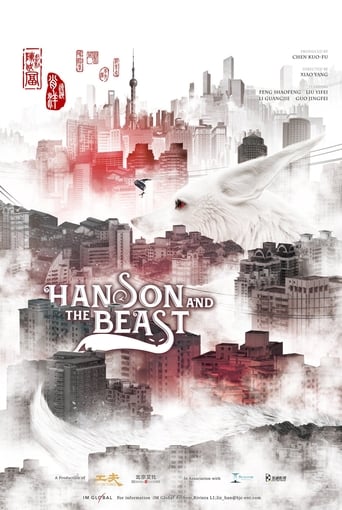 2017 · Film
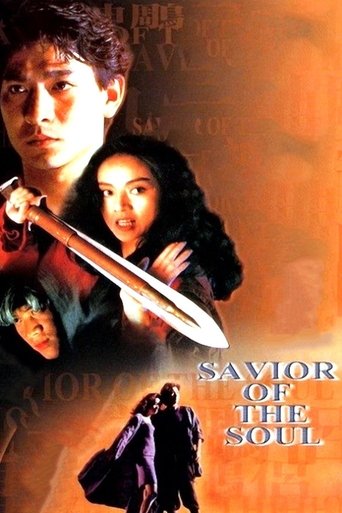 1991 · Film
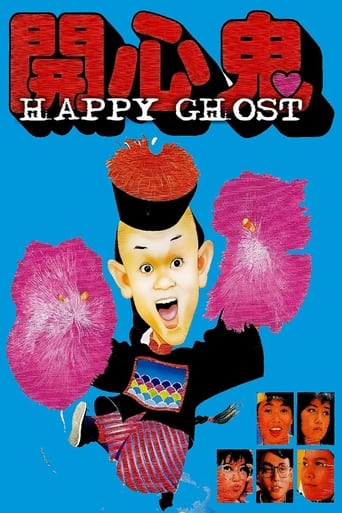 1984 · Film
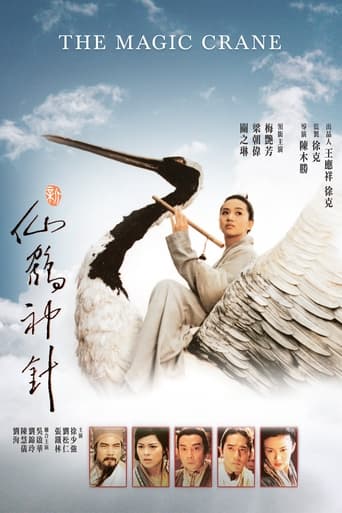 1993 · Film
The Dandanzan guide to Chinese films and series
Dandanzan: Chinese films and series, with Shaolin Temple, Little Big Soldier, Swordsman, Yellow Earth, The Legend of Anle and The Legend of the Condor Heroes
Chinese is the first language of more people than any other, and the films and series made in it form one of the great bodies of popular entertainment in the world. Three industries share the work: the studios of mainland China, the fast and inventive cinema of Hong Kong, and the smaller, more intimate film culture of Taiwan, with Singapore and Malaysia adding voices of their own. Dandanzan is a guide to 197 titles from all of them, 137 films and 60 series made between 1978 and 2026, chosen so that a whole household can watch together. Each has a page with its story, cast and original Chinese title, and a Watch now button that leads to the official services carrying it.
This guide starts with a handful of sure first choices. It then takes kung fu, the swordplay fantasies known as wuxia, the comedies of Hong Kong and the mainland, the dramas, the romances, the films of Taiwan and Southeast Asia, and the television series, and it closes with choices for children, a note for parents, an account of the search and My List, and a plan for a first fortnight.
What Dandanzan is
Dandanzan is a viewing guide, and its pages hold descriptions in place of video. For each title it gives a summary in English, the year, the running time or the number of episodes, the director, the leading cast and the title in Chinese characters, which is the surest way to find a film that has travelled under several English names. The Watch now button opens JustWatch, an independent directory of official services, for the country you choose. JustWatch shows which subscriptions include the title and where it can be rented or bought, and each service lists the subtitles it offers. The how to watch page explains the steps.
The selection was made by hand from about nine hundred candidates. Every summary was read. Hong Kong is famous for its crime thrillers and the mainland for its epics of the battlefield, and both were set aside, together with horror, gambling films and dramas made for adults. What remains is 67 titles of kung fu and action, 74 comedies, 69 dramas, 72 romances and 41 fantasies and histories; 79 titles come from Hong Kong, 104 from the mainland and 22 from Taiwan, Singapore and Malaysia.
Where to begin
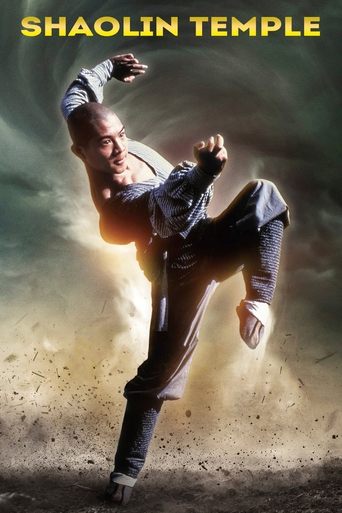
Begin with Shaolin Temple. In 1982 a Hong Kong company went to the mainland, which had made scarcely any martial arts films for thirty years, and cast the entire picture with champions of the national wushu teams. The lead went to an eighteen-year-old from Beijing who had won the national all-round title five times: Li Lianjie, soon known to the world as Jet Li. The story is simple, a young man taking refuge with the fighting monks and learning their art, and the film was shot at the real monastery on Mount Song. Every leap and every weapon form is performed for the camera in long takes by athletes at their peak. It sold tickets in the hundreds of millions at home and sent a generation of boys to Henan hoping to enrol.
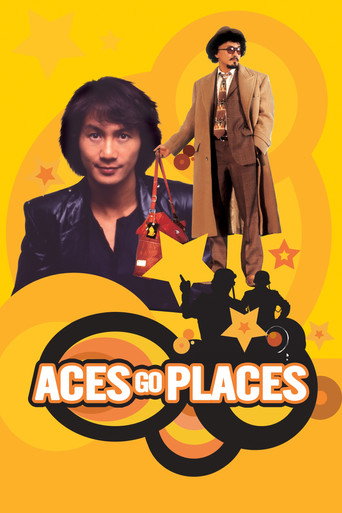
For comedy, start with Aces Go Places. This was the film that defined the Hong Kong blockbuster of the 1980s: a cat burglar with a suitcase of gadgets, played by the pop star Sam Hui, is teamed with a bald and excitable detective from America, played by Karl Maka, and a formidable policewoman, played by Sylvia Chang, to recover a haul of diamonds. There are motorcycles on rooftops, remote-controlled cars and a theme tune that all of Hong Kong could whistle. It broke every local record, and Aces Go Places II followed within a year with a pair of fighting robots.
For a film of quiet beauty, choose Yellow Earth. In the spring of 1939 a soldier arrives in a village on the loess plateau of Shaanxi to collect folk songs, and lodges with a farmer, his young son and his fourteen-year-old daughter, who sings as she carries water from the Yellow River. Chen Kaige directed it in 1984, his first film, with Zhang Yimou behind the camera, and its wide, still images of earth and sky announced a new generation of Chinese film-makers to the world. It has very little dialogue and a great many songs.
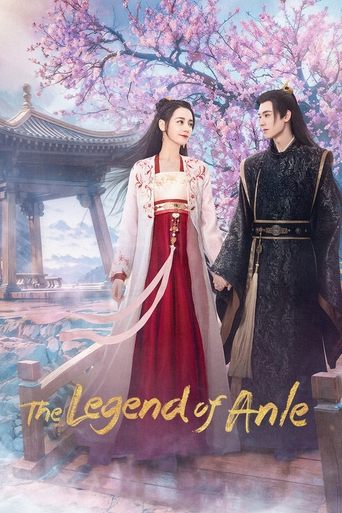
For a series, begin with The Legend of Anle. Ten years after her family was unjustly ruined, a young woman returns to the capital under a new name, as the cheerful chieftain of a pirate stronghold who announces that she intends to marry the crown prince. Dilraba Dilmurat and Gong Jun lead a handsome production of thirty-nine episodes, with palace intrigue, comedy and a slow, well-earned romance, and it is the most voted series in the catalogue.
Kung fu
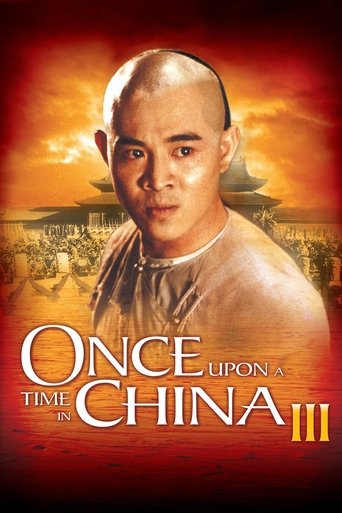
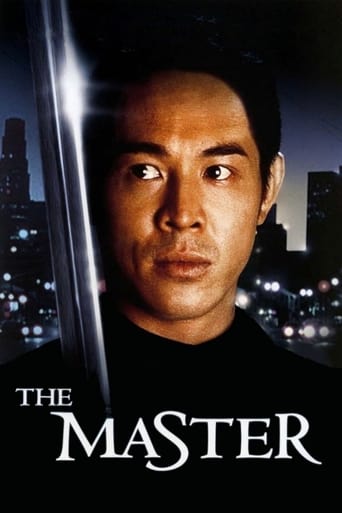
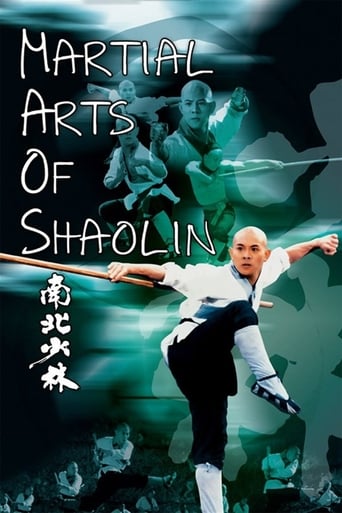
Sixty-seven titles belong to kung fu and action, and the kung fu guide sets them in order. The team behind Shaolin Temple made two more films with Jet Li. Kids from Shaolin is a light-hearted story of two families on opposite banks of a river near Guilin, one with eight sons trained in the Shaolin style and the other with daughters trained in the Wudang sword, and it has songs and a great deal of sunshine. Martial Arts of Shaolin was directed by the Hong Kong master Lau Kar-leung and filmed on the Great Wall and in the Forbidden City. Jet Li then went to Hong Kong, where Tsui Hark directed him in The Master, set in Los Angeles, and as the folk hero Wong Fei-hung in Once Upon a Time in China III, whose climax is a lion dance contest with hundreds of dancers on towers of bamboo.
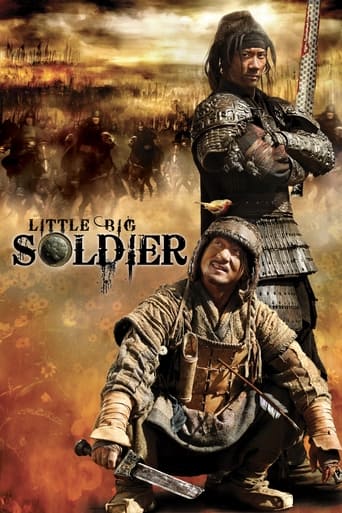
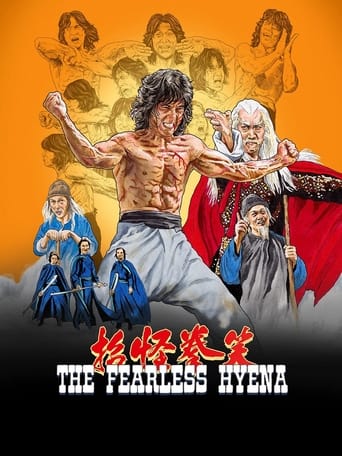
Jackie Chan is represented at both ends of his career. In Spiritual Kung Fu, made in 1978, he is a lazy novice taught a lost fighting style by five mischievous spirits in red wigs, and Fearless Hyena, from the following year, was the first film he directed himself, a showcase for the mixture of acrobatics and clowning that would make him famous. Three decades later he wrote and produced Little Big Soldier, a project he had carried in his head for twenty years. He plays an ageing foot soldier in the time of the Warring States whose one ambition is to go home and farm; when he captures a young enemy general, he sets out to deliver him for the reward of five acres of land. It is a road film with jokes, songs and an unexpected dignity.
The Shaw Brothers studio of Hong Kong was the great factory of the genre, and Lau Kar-leung was its finest director, a real master of the southern Hung Gar style who cared that every technique on screen was true. Mad Monkey Kung Fu is his comedy of monkey boxing. Martial Club ends with one of the most admired duels ever filmed, fought down an alley that narrows from six feet to two, and nobody is seriously hurt in it; the film is about the ethics of the art. Legendary Weapons of China demonstrates all eighteen traditional weapons in a single contest, and The Lady Is the Boss brings a modern young woman home from America to take over her father's old-fashioned school and teach kung fu in a disco. His last film, Drunken Master III, is here as well.
Other Shaw films in the catalogue include Shaolin Rescuers, directed by Chang Cheh with his troupe of acrobats, Monkey Kung Fu, Five Superfighters, The Treasure Hunters, a comic adventure starring the much-loved Alexander Fu Sheng beside his own younger brother, and Ambitious Kung Fu Girl, about a merchant's daughter who runs away to find the hero of her daydreams. The Brave Archer 3 continues the studio's version of a famous novel.
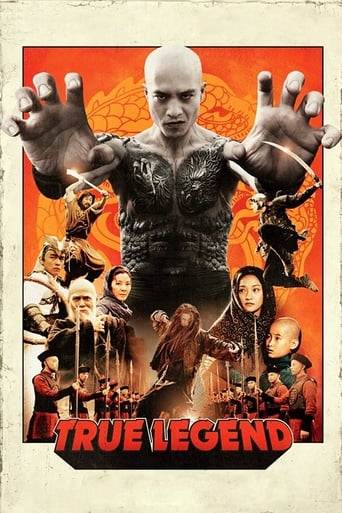
The choreographer Yuen Woo-ping, later known in the West for The Matrix and Crouching Tiger, Hidden Dragon, directed several films here. Dance of the Drunk Mantis gives his own father, Simon Yuen, a last outing as the red-nosed old master of drunken boxing. Legend of a Fighter tells the boyhood of the real champion Huo Yuanjia, Drunken Tai Chi introduced a twenty-year-old Donnie Yen, and True Legend, made in 2010, returns to the origin of the drunken style with all the resources of a modern production. The Incredible Kung Fu Master has Sammo Hung as a street-corner teacher, The Postman Strikes Back sets four couriers on a mission across a frozen landscape with a young Chow Yun-fat among them, and Iron Monkey 2 stars Donnie Yen as the masked champion of the poor.
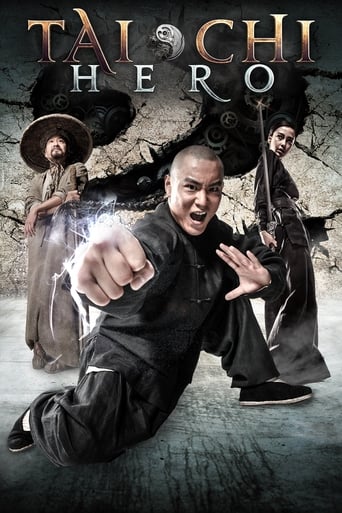
The tradition continues. The novelist and director Xu Haofeng has made a series of films about the martial arts schools of Tianjin in the 1920s and 1930s, exact in their detail and dry in their humour: The Final Master, in which a teacher of Wing Chun from the south must defeat eight schools to open one of his own, Judge Archer and 100 Yards, about two heirs to one academy. Tai Chi Hero mixes the story of the founder of the Yang style with brass machines in the manner of a comic book, Master Of The Shadowless Kick: Wong Kei-Ying tells of Wong Fei-hung's father, and Star Runner and One Second Champion move the contest into the modern ring, the second with a hero who can see one second into the future. The Kung Fu Kids II, from Taiwan, gives the fighting to three small boys and their grandmother. The combat in all of these is staged, in a tradition that descends from Peking opera and the acrobatic troupe.
Swordplay and fantasy
Wuxia, the tale of wandering swordsmen and swordswomen bound by a code of honour, is to Chinese readers what the western and the Arthurian romance together are to English ones. Forty-one titles are listed under fantasy and history, and the swordplay guide introduces them. The modern form was shaped by two novelists, Jin Yong and Gu Long, and the catalogue allows a rare comparison, because several of their books appear in more than one version.
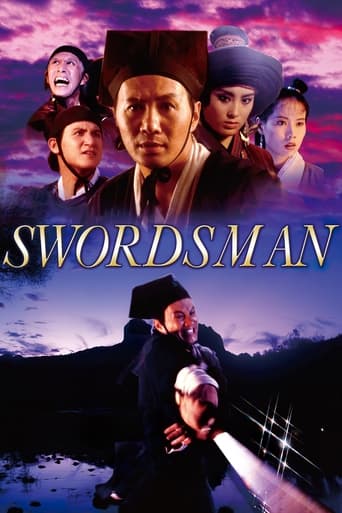
Jin Yong's novel The Smiling, Proud Wanderer, about a carefree young swordsman who wishes only to drink wine and play music while the great schools fight over a secret manual, is here four times. Swordsman, produced by Tsui Hark in 1990 with Sam Hui in the lead, started a wave of flying-sword films in Hong Kong. State of Divinity tells the whole story in fifty-two episodes, with Richie Jen and Anita Yuen. New Smiling Proud Wanderer is a version of 2018 for a younger audience, and Invincible Swordsman is a feature film of 2025. His Legend of the Condor Heroes, the story of the honest, slow-witted Guo Jing and the brilliant Huang Rong, appears as The Legend of the Condor Heroes of 2003, a lavish series filmed across the grasslands and coasts of China with Li Yapeng and Zhou Xun, and in the Shaw film already mentioned.
Gu Long's tale of twin brothers separated at birth and raised to be enemies is told as a comic film, Handsome Siblings, with Andy Lau and Brigitte Lin, and as a Taiwanese series, The Legendary Siblings, which made idols of its two young stars. The comic strip about two orphans, Wind and Cloud, brought up by a warlord whom they are fated to overthrow, became The Storm Riders in 1998, the first Hong Kong film built around computer effects, and then the series Wind and Cloud in eighty-six episodes.
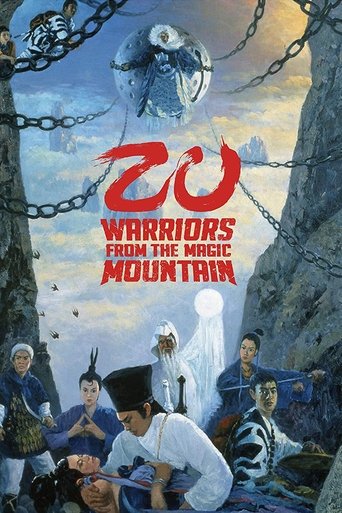
The fantasy film as Hong Kong understands it began with Zu: Warriors from the Magic Mountain. Tsui Hark brought technicians from Hollywood to work beside the wire teams of the local studios, and the result, a soldier's tumble into a mountain realm of flying swordsmen, long-browed sages and an ice countess, moves at a speed that still astonishes. The Shaw studio answered with Buddha's Palm and Demon of the Lute, gleeful fantasies of animated rays, magic instruments and friendly monsters. From the nineties come Saviour of the Soul, a romance in the style of a comic book with Andy Lau and Anita Mui, The Magic Crane, in which Mui rides a giant bird, Kung Fu Vs. Acrobatic, about two office workers who wake a princess from the Ming dynasty, and A Kid from Tibet, directed by and starring the acrobat Yuen Biao.
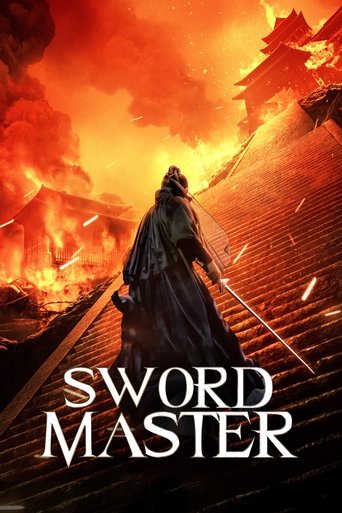
Later films work on a larger canvas. Warriors of Heaven and Earth is an adventure of the Silk Road, filmed in the Gobi with Jiang Wen as a soldier escorting a caravan. Sword Master was directed by Derek Yee, who as a young actor had starred in the 1977 original of the same story. The Thousand Faces of Dunjia and Journey to the West: The Demons Strike Back, both from 2017, bring together Tsui Hark, Yuen Woo-ping and the comedian Stephen Chow in various combinations, and Hanson and the Beast is a modern romantic comedy between a zookeeper and a fox spirit. Sword of Destiny and The Undaunted Wudang complete the list of films.
Hong Kong comedy
Seventy-four titles are comedies, and the comedy guide lists them. The founder of modern Cantonese comedy was Michael Hui, who wrote, directed and starred in a series of films with his brothers Sam and Ricky. Security Unlimited, from 1981, is the best of them: Hui is the pompous supervisor of a firm of security guards, and the film is a chain of immaculate sight gags involving a parachute, a mummy and an armoured van. It was the most successful film Hong Kong had seen, until Aces Go Places overtook it a year later.
The Cinema City company, which made the Aces films, specialised in bright comedies for the Lunar New Year holiday. The Happy Ghost is about a scholar of the Qing dynasty, more schoolmaster than spectre, who attaches himself to a group of schoolgirls and helps them with their examinations and their sports day. Merry Christmas has Karl Maka as a widowed newspaper editor whose children decide to find him a wife. It's a Mad, Mad, Mad World Too continues a popular series about a hard-up family and their sudden good fortune, with the beloved Lydia Shum as the mother, and Ninth Happiness is a costume musical made for the New Year of 1998 with Leslie Cheung. I Love Hong Kong 2011 belongs to the same tradition, a celebration of life on a public housing estate.
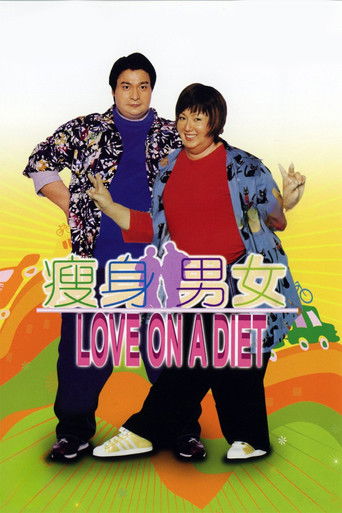
Around 2000 the romantic comedy took over, and its queen was the singer Sammi Cheng. In Love on a Diet she and Andy Lau, both in elaborate padded suits, play two Hong Kongers in Japan who slim down together. In Summer Holiday she inherits part of a beach on a Malaysian island and has to persuade a stubborn local, played by Richie Jen, to sell his share, and Marry a Rich Man takes the same pair to Milan. Fighting for Love sets her against Tony Leung after a collision between two cars, and My Left Eye Sees Ghosts is a comedy with a tender heart about a young widow and the friendly spirit of an old classmate. Tony Leung appears again in Love Me, Love My Money as a miser who loses his credit cards, and Elixir of Love, Driving Miss Wealthy, Dance of a Dream, with Andy Lau as a ballroom teacher, and The Lion Roars, a costume farce about a poet and his formidable wife, are of the same years. Only Fools Fall in Love and The Kung Fu Scholar are period comedies of the nineties, and Far Far Away, from 2022, sends a shy programmer on dates to the remotest corners of the territory, which turn out to be the real stars of the film.
More from Hong Kong
Seventy-nine films were made in Hong Kong, most of them in Cantonese, and the Hong Kong guide arranges them by director and star. Tsui Hark, the most restless talent of the industry, is represented by seven films as director. Beside the fantasies and the kung fu, two are romances. Shanghai Blues is a screwball comedy: a soldier and a young woman shelter under a bridge during an air raid in 1937 and promise to meet again, and ten years later they are living in the same building in ignorance of each other. It is fast, colourful and full of song, and a restored version was shown at Cannes in 2024. The Lovers retells the legend of the Butterfly Lovers, in which a girl disguised as a boy to attend school falls in love with a classmate; it begins as a comedy and ends as one of the great romances of Chinese cinema.
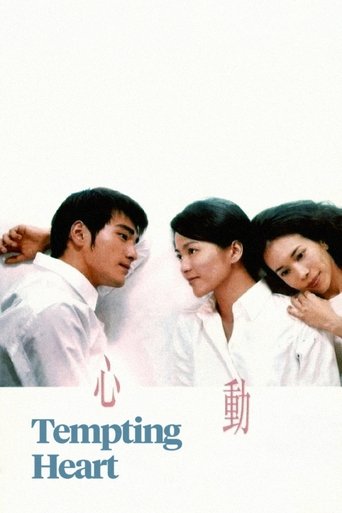
Derek Yee's Full Throttle stars Andy Lau as a motorcycle racer who has to rethink his life after an accident, and it was praised for the realism of its racing. Johnnie To's The Bare-Footed Kid is a handsome period drama with Aaron Kwok as a country boy who arrives in town with bare feet and remarkable fists, and Maggie Cheung as the owner of a dye works. Sylvia Chang, an actress who became one of the leading directors in the Chinese-speaking world, made Tempting Heart, in which a film-maker looks back on her first love, with Takeshi Kaneshiro and Gigi Leung; Kaneshiro is also the fallen angel who lands on a perfumer's balcony in Lavender.
A quieter Hong Kong appears in Ah Ying, a landmark of the local new wave made in 1983 with a cast of amateurs: a young woman who sells fish at her family's market stall joins an acting class and discovers another world. It won the prize for best film at the Hong Kong Film Awards. Floating City tells the true-to-life story of a boy born among the boat people who rises to lead a great British trading house, and Happiness brought the veteran Kara Wai the best actress award for her portrait of a lonely woman who takes in a young lodger as her memory begins to fail. As the Light Goes Out is a drama of firefighters on a Christmas Eve when the power station is threatened, and Merry-Go-Round links two women of different generations who return from San Francisco.
Mainland drama
One hundred and four titles come from mainland China, and the mainland guide introduces them; the dramas are gathered in the drama guide. The oldest is Rickshaw Boy, made in 1982 from the classic novel by Lao She. Xiangzi is a strong young man from the country who comes to Beijing in the 1920s with one ambition, to own the rickshaw he pulls. The film recreates the lanes and tea houses of the old city with great affection, and Siqin Gaowa won the national award for her performance as Tigress, the boss's daughter who decides to marry him. It has one of the highest scores in the catalogue.
The directors who graduated from the Beijing Film Academy in 1982, known as the fifth generation, changed the look of Chinese film, and Yellow Earth was their manifesto. Women directors were prominent in the same years. Sacrificed Youth, by Zhang Nuanxin, follows a shy city girl sent to live among the Dai people of Yunnan, where she learns from the village girls to take pleasure in colour and song. Woman Demon Human, by Huang Shuqin, is the life of an opera actress who becomes famous for playing a male role, the ghost-catcher Zhong Kui, and is often called the finest Chinese film about a woman's vocation.
Rural life has inspired some of the most engaging films. In Ermo a noodle seller in a northern village sets her heart on owning the largest television set in the county, bigger than her neighbour's, and works day and night to buy it. The film is a sharp, affectionate comedy about a country discovering shopping. Courthouse on Horseback follows an old circuit judge, his retiring clerk and a young graduate as they carry the national emblem on a horse through the mountains of Yunnan, settling disputes over pigs and ancestral jars. Mongolian Ping Pong, the first success of the director Ning Hao, is about three boys on the grasslands who find a small white ball floating in a stream; since such a thing is new to them, they conclude that it is a glowing pearl, and when they learn that table tennis is the national game they decide the ball must be returned to the nation.
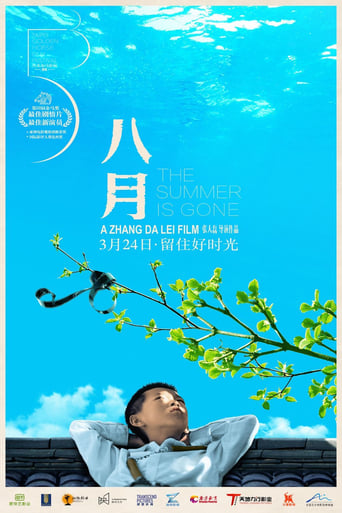
Family is the constant subject. Sunflower traces thirty years in a Beijing courtyard through the quarrel between a painter, back from years away, and the small son he is determined to make into an artist. My Father and I was the first film directed by the actress Xu Jinglei, who also made Somewhere Only We Know, a romance set in Prague. The Summer Is Gone, filmed in black and white, remembers a boy's last summer before middle school in a town in Inner Mongolia in the early nineties, and it won the top prize at the Golden Horse Awards. Lucky Dog stars the comedian Fan Wei as a railway worker facing retirement, and Bangzi Melody is set around a village opera troupe.
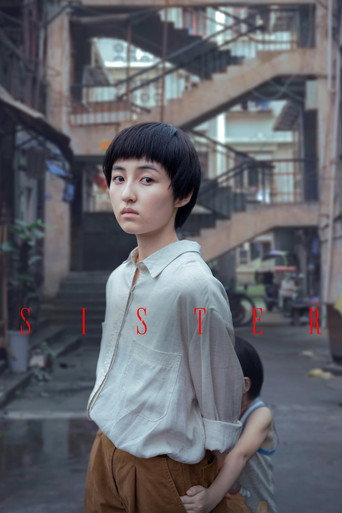
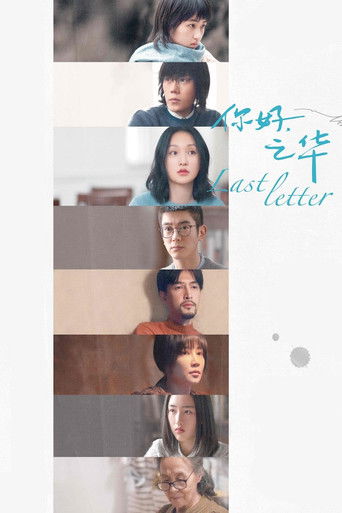
Recent years have brought a run of popular dramas about ordinary households. Sister asks whether a young woman with plans of her own should give them up to bring up a small brother she hardly knows, and it started a national conversation. Song of Spring is a tender study of a mother of eighty-five caring for her daughter of sixty-five. Like Father and Son puts a travelling pedlar and a stowaway boy in one van on the roads of the north-west, and Be My Family obliges two laid-off workers to look after a debtor's small daughter. Last Letter, by the Japanese director Shunji Iwai, is a story of letters and schooldays with Zhou Xun, and The Best is Yet to Come follows a young man with little schooling who talks his way into a Beijing newsroom in 2003.
Two films concern history. My 1919 stars Chen Daoming as the diplomat Wellington Koo, who spoke for China at the Paris peace conference, and Hsue-shen Tsien is the life of the rocket scientist who helped found the Jet Propulsion Laboratory in California before returning home in 1955.
Mainland comedy
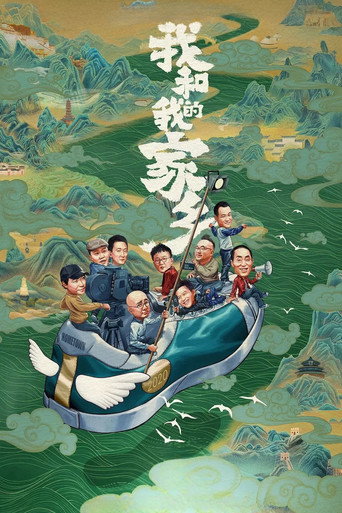
Mainland comedy has boomed since about 2010, and its stars are household names. Crazy Alien, directed by Ning Hao, was among the biggest hits of the Lunar New Year of 2019: a monkey trainer at a run-down theme park, played by Huang Bo, finds a small creature that has fallen from the sky, takes it for a rare monkey and begins to train it. Shen Teng, the most popular comic actor in the country, plays his friend, a seller of spirits. My People, My Homeland gathers five short comedies by five teams of directors, each set in a different region, about people and the places they come from. It is a fine sampler of the country's comedians and its accents.
Dreams of Getting Rich follows a good-natured young man from the north-east to the new city of Shenzhen over thirty years. Papa stars Huang Bo as a father who will try anything to get his son into a good primary school, a satire that any parent will recognise. The Adventure exchanges the minds of a man of forty-three and his own self at eighteen, and Take Off, from 2026, is about a worker in the north-east who dreams of flying in a machine he has built himself. What Is Peppa is a short film that became famous overnight: a grandfather in a mountain village, told by telephone that his grandson wants something called Peppa, asks the whole village what it might be and finally welds one together from a stove blower. A Grandson from America is in the same spirit, with an old shadow-puppet master and a small boy who prefers Spider-Man.
Youth and romance
Seventy-two titles are listed as romances, and the romance guide sorts them into films, modern series and costume series. Chinese cinema has a strong line in stories of schooldays, usually told with nostalgia from a few years later. Yesterday Once More pairs the best pupil in the class with the worst, who catches her copying during a test and keeps her secret. Water Boys enrols five boys with little talent for sport in a synchronised swimming team, to general disbelief. My Blue Summer and Shining for One Thing are about first love remembered, the second with a touch of time travel, and Be My Friend sends a schoolgirl back twenty years to meet her own mother at seventeen. Oversize Love and Delicious Romance are comedies about young women in the city, and Back To Love, spoken in the dialect of Shantou, is about a son bringing his girlfriend home to meet a traditional mother.
Taiwan, Singapore and Malaysia
Twenty-two titles come from Taiwan and Southeast Asia, and the Taiwan guide introduces them. Two Taiwanese films of the eighties are loved by every generation. Papa, Can You Hear Me Sing? is the story of an old army veteran, unable to speak, who earns his living collecting bottles and brings up a baby girl left on his doorstep; she grows up to be a singing star. Its theme song, built on the street cry of the bottle collector, is one of the best-known in the Chinese language. The Dull-Ice Flower, from a celebrated novel, is about a boy in a tea-growing village whose wild, brilliant paintings are understood by one young teacher and almost nobody else. Both are films to watch with a handkerchief, and both suit older children.
Siao Yu, directed by Sylvia Chang from a script co-written by Ang Lee, follows a young woman from China working in a New York garment shop, who arranges a marriage on paper with an elderly Italian-American writer and finds an unexpected friendship. The Cabbie is a brisk comedy about a taxi driver from a family of taxi drivers who falls for a traffic policewoman and collects tickets in order to see her. Island Etude accompanies a hearing-impaired student as he cycles around the whole coast of Taiwan in seven days with a guitar on his back, meeting somebody memorable at each stop; the film set off a national fashion for making the same journey. One Mile Above takes a Taiwanese cyclist on the far harder road to Lhasa. A Time in Quchi sends a boy from Taipei to spend the summer with his grandfather in the hills, and Panay is the story of a journalist from the Amis people who goes home to bring her village's rice terraces back to life. Rhythm of the Rain is a romance of the music business.
From Singapore come Singapore Dreaming, a family drama about a lottery win, and Long Long Time Ago, Jack Neo's warm memory of village life in the first years of independence. From Malaysia come Ice Kacang Puppy Love, a comedy of childhood friends in a small town of the 1980s, directed by the singer Ah Niu, and The Journey, in which a stern father insists that his daughter's English fiancé help him deliver the wedding invitations by hand to his old classmates across the country, on a motorcycle. It became the most successful Malaysian film of its time.
The series
Sixty series are in the catalogue, with 2,124 episodes between them, and the series guide gives the length of each. The most honoured is The Water Margin, the national broadcaster's production of 1998. The novel on which it is based, one of the four great classics of Chinese literature, tells how 108 men and women of every rank, wronged by officials, gather at a stronghold in the marshes of Liangshan and swear brotherhood. The series took three years to make, built a town beside a lake for its sets, and has one of the highest scores on Dandanzan. Fu Gui is a faithful adaptation of Yu Hua's modern classic To Live, the life of one villager across the twentieth century.
History is a favourite subject of Chinese television. The Emperor in Han Dynasty covers the fifty-four-year reign of Emperor Wu, who made the Han state a great power in the second century before our era, with Chen Baoguo in a commanding performance. Xiao Zhuang Epic and The Legend of Xiao Zhuang both tell the life of the Mongolian noblewoman who guided the first Qing emperors, the first with Ning Jing and the second with Jing Tian. Secret of the Three Kingdoms imagines that the last Han emperor had a twin brother who took his place, and Legendary Fighter: Yang's Heroine celebrates the women generals of the Yang family, heroines of opera and legend. The Royal Swordsmen is a swashbuckling adventure of the Ming court, and Wrong Carriage, Right Groom is a comedy of the Tang dynasty in which two brides sheltering from the rain climb back into each other's sedan chairs.
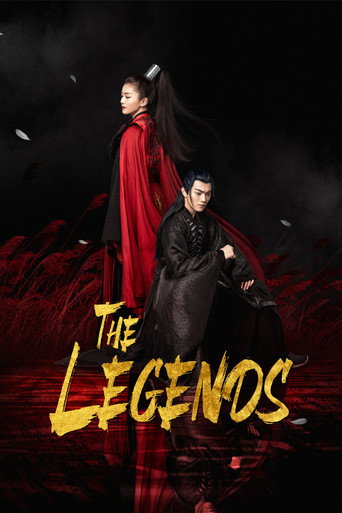
The costume romance, set in an invented dynasty with a capable heroine, is the dominant form of recent years, and the catalogue has a good selection beside The Legend of Anle. In Si Jin a young noblewoman is given her life over again and uses her skill as a perfumer to protect her family. The Legend of Zhuohua is about a woman who runs from an arranged marriage to sit the examinations for public office. The Legends is a fantasy romance with a heroine who leads an outlaw sect, and Listening Snow Tower, Snowy Night Timeless Love, Beauty of Resilience, Legend of Awakening, A Tale of Love and Loyalty, The Love by Hypnotic, Love Is An Accident, Your Sensibility My Destiny, Perfect Mismatch and Qing Qing Zi Jin, set in a school for young scholars, offer variations on the theme. The Little Fairy, an early success for the actor Hu Ge, sends a goddess down to earth, and Love Through a Millennium brings a court official of two thousand years ago into the life of a modern actress.
Series of modern life tend to be set in a profession. The actress Yang Mi leads three: The Interpreter, about a student of French training for the hardest job in languages, which drew enormous audiences in 2016, Negotiator, set in the world of business mediation, and Thank You Doctor, in an emergency department. Bright Eyes in the Dark is about the firefighters of a city station, Love is Panacea about two doctors on a medical mission, and Broker about a scientist and the man sent to learn her secrets. Lucky With You gives a wealthy young man a woman bodyguard, Dine with Love teaches a company director to cook, and Walk Into Your Memory, Way Back Into Love, I Know I Love You, Confess Your Love, Exploration Method of Love, Sparkle Love, My Love, Enlighten Me, Promise in the Summer and Be Your Knight are light romances of twenty to thirty episodes. From Taiwan come A Taiwanese Tale of Two Cities, in which a doctor of Chinese medicine in old Taipei and an engineer in San Francisco exchange homes, and Memory Love.
A few series stand apart. There Will Be Ample Time reunites four women in their home town of Chongqing, and its picture of friendship in the mid-thirties was widely praised. Once and Forever: The Sun Rises is about children growing up in one Beijing compound, Back in Time and Flourish in Time about school friends, and Tiger Visit Macao about a boy from the far north-east sent to school in the far south. Super Star Academy, My Robot Boyfriend, My Amazing Boyfriend 2: Unforgettable Impression, To Get Her, My Dear Destiny and Mr. Fox and Miss Rose add fantasy to romance.
Following the stars
A good way into a new cinema is to follow one performer, and the search box makes that easy. Andy Lau, a leading man for forty years, appears in seven films in the catalogue, from the comic fantasy Kung Fu Vs. Acrobatic and the swordplay of Handsome Siblings to the racing drama Full Throttle and the padded comedy of Love on a Diet; seen in order, they show a pop idol turning into a fine actor. Anita Mui, the great singer and actress who died in 2003, is his partner in Saviour of the Soul and Dance of a Dream and the rider of The Magic Crane. Sammi Cheng's five comedies have been mentioned, and Tony Leung Chiu-wai, known abroad for the films of Wong Kar-wai, shows a lighter side in Fighting for Love and Love Me, Love My Money.
Among mainland actors, Huang Bo, with his rubber face and his gift for playing the little man, leads Crazy Alien and Papa and appears in My People, My Homeland. Zhou Xun, one of the finest actresses of her generation, is the clever Huang Rong of The Legend of the Condor Heroes and returns in later years in True Legend and Last Letter. Jing Tian carries three costume series, The Legend of Xiao Zhuang, The Legend of Zhuohua and Si Jin, and Yang Mi three modern ones. Several younger idols can be seen at the start of their careers: Xiao Zhan in Super Star Academy, Zhang Linghe in Sparkle Love and Flourish in Time, and Bai Lu in The Legends.
Behind the camera, the names to remember are Tsui Hark, with seven films here across thirty-four years; Lau Kar-leung, with six; Yuen Woo-ping, with five; and Ning Hao, whose path from the tiny Mongolian Ping Pong to the enormous Crazy Alien sums up the growth of the mainland industry in a single career. Clifton Ko, who directed The Happy Ghost, Merry Christmas, It's a Mad, Mad, Mad World Too and Ninth Happiness, was the craftsman of the Hong Kong holiday comedy, and Sylvia Chang, seen as an actress in Aces Go Places and Shanghai Blues and as a director in Siao Yu and Tempting Heart, links Taiwan and Hong Kong across four decades.
Choices for children
The family viewing guide arranges the catalogue by age. For the youngest there is Wonder Boy, made in 1988 and remembered by every Chinese adult of a certain age: Beibei is born on the night a strange light crosses the sky, and his hands carry an electric charge that can start a toy train or stop a clock. It was the country's first science fiction film for children. The Kung Fu Kids II, What Is Peppa and A Grandson from America suit the same age, and The Rising Star Kindergarten is a gentle story of a village nursery. From about ten, the three Shaolin films with Jet Li are ideal, as are Mongolian Ping Pong, The Dull-Ice Flower, Little Big Soldier and Crazy Alien. Teenagers will enjoy the school stories, the modern fantasies and the long adventures taken from Jin Yong.
Five decades
The catalogue divides into four periods. Thirty-nine films date from before 1990, and the classics guide describes them: the last great years of the Shaw studio, the first Cinema City comedies and the arrival of the fifth generation. Fifty-six titles fall between 1990 and 2009, the years of the flying-sword revival, the Hong Kong romantic comedy and the first big television adaptations. Forty-nine belong to the decade from 2010, when the mainland box office became the largest in the world, and fifty-three have appeared since 2020; the recent guide keeps that list current. The earliest title is Spiritual Kung Fu, from 1978, and the latest is Take Off, from 2026.
A note on names and languages
Chinese names put the family name first, and Dandanzan follows the spelling most often used abroad, so Jet Li, Jackie Chan and Sammi Cheng appear under their familiar English names and Zhou Xun and Huang Bo in the standard romanisation. Hong Kong names are usually romanised from Cantonese and mainland names from Mandarin, which is why the folk hero is Wong Fei-hung in a Hong Kong film and Huang Feihong in a mainland one. Every title page shows the original title in Chinese characters, and the search box accepts those characters as well as English words.
The films of Hong Kong were mostly made in Cantonese and often dubbed into Mandarin for other markets, and the Shaw studio's films were shot in Mandarin. Official services generally offer the original soundtrack with English subtitles, and many add other tracks. For students of Mandarin, the modern series are excellent practice: the speech is clear, the episodes are short, and most services provide Chinese subtitles, as broadcasts in China always do.
A note for parents
Every summary was read by hand before a title was admitted. The kung fu films contain a good deal of staged fighting, performed by acrobats and athletes, and the older ones use the exaggerated sound effects of their time. The fantasies include friendly spirits and comic monsters. A few dramas deal with illness, old age or hardship, among them Song of Spring, Happiness, Fu Gui and Rickshaw Boy, and parents of young children may wish to watch those first. Each title page shows the certificate where one is recorded.
Search, lists and My List
The search box in the top bar looks through English titles, Chinese titles, directors and cast as you type. Try a name such as Tsui Hark, Sammi Cheng or Yang Mi. The finding titles page describes the fifteen lists, which arrange the catalogue by kind, by place and by period, and the A to Z index. The home page shows a ranking of films by score and of series by votes in its side column.
Each title page has an Add to My List button. The list is kept by your browser on the device you are using, so it works at once and stays private, and the My List page shows how to save it to a file and load it on another device. With series of forty and fifty episodes, it is a useful place to keep your bearings.
The top rated list
Thirty-three titles have a score of 7 or more from at least nine voters. Among the films are Rickshaw Boy, The Dull-Ice Flower, Buddha's Palm, Island Etude, Water Boys, The Lovers, Yellow Earth, Swordsman and Shaolin Temple; among the series are The Water Margin, The Legends, The Legend of the Condor Heroes, The Royal Swordsmen and The Legend of Anle. Many other titles have been rated by only a handful of viewers outside Asia, which says more about distribution than about quality, and the descriptions on each page are there to help you choose among them.
A first fortnight
Here is one way through the first two weeks. On the first evening, Shaolin Temple. On the second, Aces Go Places. On the third, Yellow Earth, and on the fourth something light, Love on a Diet. Give the fifth evening to Swordsman and the sixth to Little Big Soldier, and on the seventh start The Legend of Anle, which will keep you company for the rest of the month. In the second week, try Security Unlimited for laughter, Mongolian Ping Pong with the children, Shanghai Blues for romance, Martial Club for the art of kung fu, Papa, Can You Hear Me Sing? for a good cry, Crazy Alien for a recent hit and The Lovers to finish. By then you will have visited Beijing, Hong Kong, Taipei and the grasslands, met four decades of stars, and still have more than 180 titles waiting on Dandanzan.
Questions and answers
Questions
What is Dandanzan?
Dandanzan is a guide to 197 Chinese-language films and series, 1978 to 2026, chosen for family viewing and described in English.
Which title should I watch first?
Start with Shaolin Temple for kung fu, Aces Go Places for comedy, Yellow Earth for drama or The Legend of Anle for a series.
Is the catalogue suitable for families?
Yes. Every summary was read by hand, and crime thrillers, films of the battlefield, horror, gambling films and adult dramas were set aside.
Where do the titles come from?
79 come from Hong Kong, 104 from mainland China and 22 from Taiwan, Singapore and Malaysia, with co-productions counted in more than one list.
Are the films subtitled in English?
Dandanzan is a guide, and each Watch now button opens JustWatch, where every listed service shows the subtitles and soundtracks it offers in your country.
Which series are the best known?
The Water Margin, The Legend of the Condor Heroes, The Emperor in Han Dynasty, The Interpreter, The Legends and The Legend of Anle.
How does My List work?
Press Add to My List on any title page. The list is kept by the browser on this device, and the list page can write it to a file.
Does Dandanzan host films or episodes?
Dandanzan is a guide only. Every Watch now button opens JustWatch, which lists the official streaming, rental and purchase services for your country.
